


Bumper Vehicle History Reports
2.6226.00 Reviews
App Specs
- Version
- 10.0.54
- Updated On
- License
- Free
- Downloads
- 100,000+
- Developer
- Bumper, LLC
- Categories
- Auto & Vehicles
- Platform
- Android
Screenshots
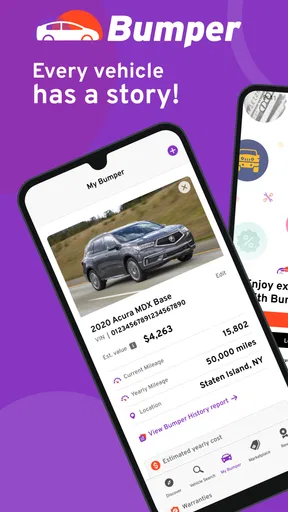
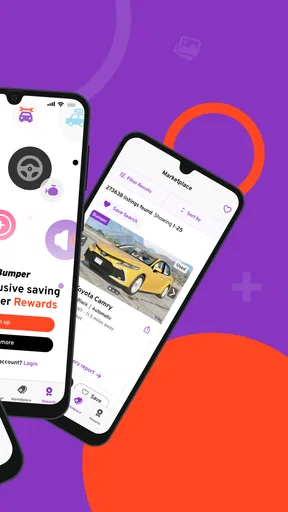
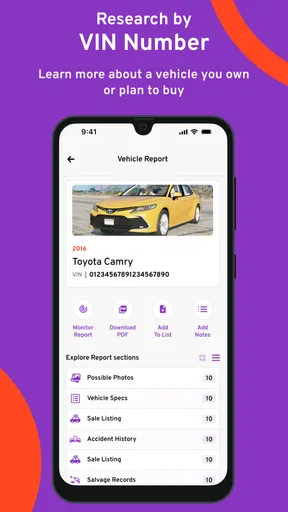
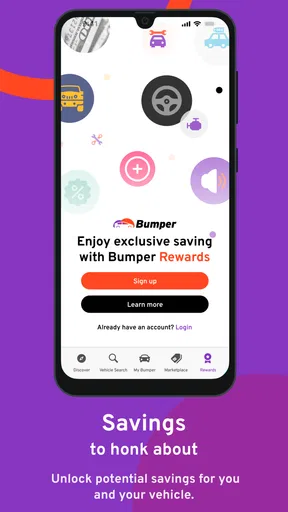
 Analysis by AppCompare
When I’m considering a used car, I want more than a seller’s description and a quick look under the hood. A vehicle-history app can help me decide what to investigate before I commit, and Bumper Vehicle History Reports is built around that practical question: what can I learn about a vehicle I own or might buy? It focuses on market values and records such as theft information, so I see it as a starting point for research rather than a substitute for an inspection.
What you get before deciding whether to pay
The app is free to install, which makes it easy to try before deciding whether its paid options suit your needs. Bumper, LLC is the developer, and the app sits in the auto and vehicle category. It has an average rating of 2.6 from around 400 ratings, so I would approach it with measured expectations rather than assume every user will have a smooth experience. It has passed 100,000 installs, is rated for Everyone, and its current version is 10.0.36.
That free entry point is useful, but it is not the same as unlimited free research. In-app purchases range from $13.99 to $38.99 per item. I would check what a specific purchase includes and how it fits my needs before paying; the listed range alone does not tell me how many reports or which records are included. If I only have one car in mind, I would avoid buying anything until I understand the offer presented in the app. If I am comparing several candidates, I would first work out whether the purchase makes sense for that wider search.
How I’d use a report in a real car search
Imagine I find a used car advertised nearby and the seller is keen to arrange a viewing. Before driving across town, I would use Bumper to check the vehicle details it makes available, including market-value context and theft records. If something looks concerning—or if a key detail does not line up with what the seller has told me—I would ask a direct follow-up question before making the trip. That small step can make a viewing more focused, even when the report cannot settle every question.
For a car I already own, a report can also give me a reference point when I am thinking about its history or trying to understand its market position. I would treat that information as context, not as a definitive appraisal or a guarantee about the vehicle’s condition. A digital record can help me decide what to ask next, but it cannot show how a car drives today or replace a qualified mechanic’s inspection.
Useful context, not a complete inspection
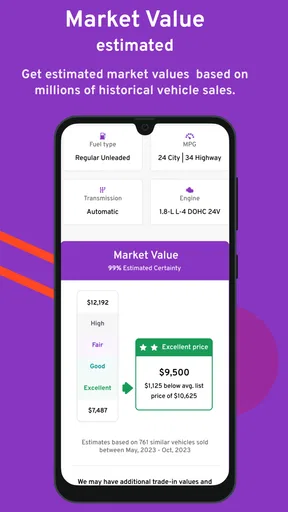
The strongest case for a vehicle-history app is that it can help surface issues worth checking before money changes hands. Theft records are particularly relevant when I am evaluating a car with an unfamiliar history. Market-value information can also help me think more clearly about an asking price, provided I compare like with like and remember that condition, location, equipment, and maintenance can affect what a particular vehicle is worth.
I would not treat a clean-looking report as proof that a used car is trouble-free. Records can be incomplete, and not every problem leaves a clear digital trace. A report cannot confirm the quality of repairs, reveal every mechanical fault, or tell me whether the seller’s account is accurate. My sensible workflow would be to use Bumper to identify questions, check the vehicle in person, review paperwork, and arrange an independent inspection when the purchase justifies it.
Worth Reading Before You Choose

EA SPORTS FC Mobile 26 Is a Bigger Football Game, but It Takes Time

Flipboard Shows What News Apps Must Do Beyond the Feed

Switching to Android Auto Means Rethinking Your Driving Routine

Google Calendar Makes a Crowded Week Easier to Manage

Ludo King Makes the Most of the Minutes Between Plans

Baby Panda World Brings Quick Play to Modern Phones, but Its Game Library Feels Busy
Where it fits among the usual alternatives
Compared with searching general websites or asking a seller for information, a dedicated vehicle-history app gives me a place to look for vehicle-related context on my phone. That is handy when I am out viewing cars and want to organise my research around a particular candidate. But I would still compare its results with other sources that matter to the decision, such as the vehicle’s documents, an inspection, and direct questions to the seller. Those alternatives answer different questions; none should be treated as a complete replacement for the others.
For a price check, I would also compare similar vehicles rather than rely on one market-value figure in isolation. A car with unusual mileage or condition may not match the typical example behind a general estimate. For a safety or repair concern, I would seek an appropriate inspection or official guidance rather than assume a report has covered everything. The useful trade-off is convenience: Bumper can help me gather some context quickly, while a careful purchase still takes more than one source.
Small decisions that make the search more useful
Before paying for anything, I would gather the vehicle details the app needs and double-check them against the car and its paperwork. A typo or a mismatched identifier can send a search in the wrong direction, which is especially frustrating when I am trying to compare vehicles quickly. I would also keep notes outside the report about the seller’s claims and questions I still need answered. That way, the app supports a decision process instead of becoming the decision by itself.
If I am shopping for several cars, I would research them in a consistent order: confirm the identity of each vehicle, review the available history and value context, then decide which ones deserve a visit. This avoids spending equal effort on every listing and makes differences easier to spot. I would not assume that a saved report, an alert, or a particular report feature is available unless I can see it in the app; before relying on any specific function, I would check the current screens and purchase details.
Another useful habit is to treat an unexpected result as a prompt for verification, not an instant verdict. A record might be relevant, outdated, or attached to information that needs clarification. I would ask the seller to explain it and look for supporting paperwork rather than accuse anyone based on a single screen. Conversely, a lack of an obvious warning would not persuade me to skip an inspection. The app is most useful when it helps me ask sharper questions, not when I ask it to make the purchase decision for me.
Who is likely to get value from it
I think Bumper is most suitable for people who are actively researching a vehicle and want a convenient place to check market context and theft-related information. It may also help owners who want another source of background information about a car they already have. The value is clearest when the result can shape a next step: whether to call a seller, request paperwork, arrange an inspection, or move on to another listing.
I would be more cautious if I only wanted a free, definitive answer about a car’s condition. The app’s free download does not remove the need to inspect paid options, and a report cannot replace a mechanic or prove that a vehicle is safe. Someone who is not currently researching a specific car may have little reason to buy an in-app item now. I would also skip it as my sole source if I needed a complete account of every repair, owner, or incident; no single report should be assumed to contain everything.
The modest average rating is another reason I would test the free experience before spending. Ratings do not tell me exactly how the app will perform for my particular search, but they do make a cautious approach sensible. I would confirm that the information I need is actually available for the vehicle in question and that the purchase terms are clear before choosing a paid option. That keeps the cost decision tied to a real use rather than to the hope that a report will answer every possible question.
A practical verdict for used-car shoppers
My view is that Bumper is best treated as a research aid, not a verdict machine. Its focus on vehicle history, market values, and theft records gives me a reason to consult it when narrowing down a purchase, while the paid options mean I would be selective about when I spend. I would use it to prepare for a conversation or inspection, then confirm important findings through documents, the seller, and a professional where appropriate.
If I were choosing between a free app-based check and doing no background research at all, trying Bumper would be a reasonable first move. If I needed certainty about mechanical condition or a complete record, I would look beyond it. Its value depends on whether the information available for my vehicle changes what I do next—and whether that benefit is worth the specific purchase offered in the app.
Getting Started with Bumper
First things first, downloading and setting up Bumper Vehicle History Reports is a breeze. Available on both Android and iOS, the app has a clean, intuitive interface that makes navigation a walk in the park. Once you’ve got it on your phone, you’re just a few taps away from unlocking a treasure trove of information about any vehicle you’re eyeing.
Features That Stand Out
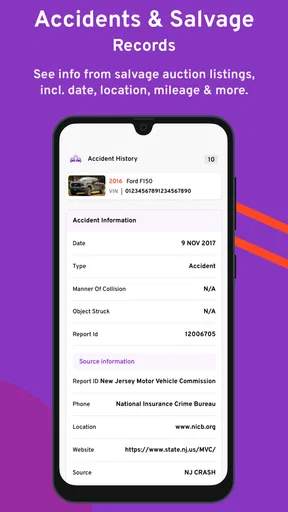
One of the standout features of this app is its comprehensive vehicle history reports. Just punch in the VIN, and voilà! You get details on accidents, previous owners, mileage, and even if the car has been stolen or salvaged. It’s like having a detective in your pocket, and trust me, that peace of mind is priceless when you’re making such a significant purchase.
Another nifty feature is the recall alerts. The app will notify you if there’s an active recall on the vehicle, which is super handy. No one wants to find out after the fact that their new ride has a lurking issue, right?
User Experience
Now, let’s talk about user experience. The app is pretty straightforward, which I love. You don’t need to be a tech whiz to figure things out. The reports are easy to read and well-organized, with important information highlighted so you won’t miss a thing.
One thing I noticed is how fast the app processes the VIN and retrieves data. There’s no lag, which is crucial when you’re standing in a dealership, trying to make a quick decision. Plus, it’s got a feature where you can save reports for later, so you can compare different vehicles at your leisure.
The Verdict
All in all, Bumper Vehicle History Reports is a must-have for anyone in the market for a used car. It’s like having a personal assistant who’s got your back, ensuring you’re not walking into any costly surprises. Whether you’re a car enthusiast or just someone looking to make a smart purchase, this app is a game changer.
So, next time you’re checking out a potential new ride, whip out your phone and let Bumper do the heavy lifting. Trust me, you’ll thank yourself later when you’re cruising down the road with confidence, knowing exactly what you’ve got under the hood.
Pros
- Easy-to-navigate interface for quick access.
- Comprehensive vehicle history data available.
- Real-time updates ensure accurate information.
- User-friendly design with clear instructions.
- Affordable pricing for detailed reports.
Cons
- Limited free features; most are paid.
- Occasional slow loading times reported.
- Requires registration to access full features.
- Some data may be region-specific.
- Ads can be intrusive in free version.
FAQs for Bumper Vehicle History Reports
What information does Bumper Vehicle History Reports provide?
Bumper Vehicle History Reports offers comprehensive details about a vehicle's past, including accident history, title status, odometer readings, and ownership details. It also covers market value, safety recalls, and even service records. This information helps users make informed decisions when buying or selling a vehicle.
How accurate is the data provided by Bumper Vehicle History Reports?
The data in Bumper Vehicle History Reports is sourced from reputable databases, including government records, insurance companies, and auto industry sources. While highly accurate, no report can be 100% foolproof. Users are advised to use this as a reliable guide but also conduct personal inspections for additional assurance.
Is Bumper Vehicle History Reports available on both Android and iOS?
Yes, Bumper Vehicle History Reports is available for download on both Android and iOS platforms. This ensures wide accessibility, allowing users to access vehicle history reports on their preferred devices, be it a smartphone or a tablet, for convenience and ease of use.
Are there any subscription fees for using Bumper Vehicle History Reports?
Bumper Vehicle History Reports offers both free and paid plans. The free version provides basic information, while the paid subscription offers detailed reports with in-depth data. Users can choose a plan based on their specific needs and budget, ensuring flexibility and value for money.
How user-friendly is the Bumper Vehicle History Reports app?
The app is designed with a user-friendly interface, making it easy to navigate and use. It provides intuitive search functions and clear report layouts, ensuring users can quickly access and understand the information they need. The app also offers customer support for any additional help.


